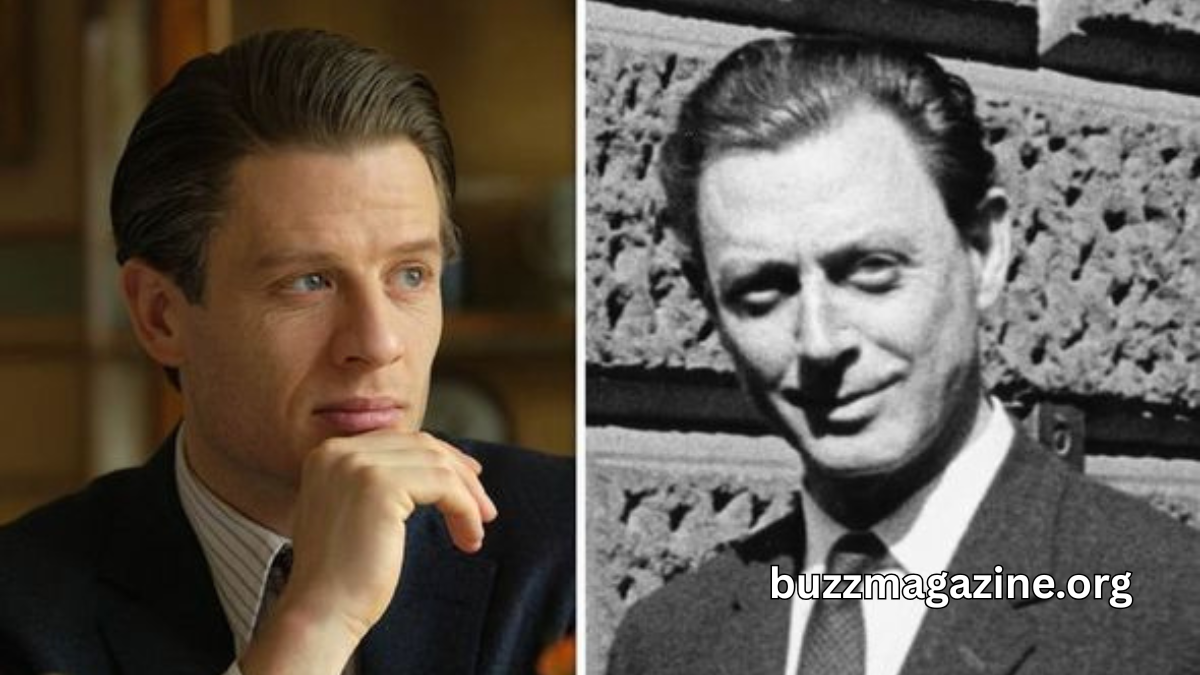
Stephen Ward remains one of the most debated figures in modern British history. Best known for his connection to the Profumo Affair, he was much more than the headlines suggested. As a respected osteopath and gifted artist, Dr Stephen Ward built a successful career before becoming caught in a political scandal that changed his life forever. More than sixty years later, historians continue to examine his role and question whether he was treated fairly.
The story of Stephen Ward combines politics, society, celebrity culture and justice. His friendships with influential people, including politicians and socialites, placed him at the centre of events that shook Britain in 1963. Today, searches for Stephen Ward, Stephen Ward Profumo, Stephen Ward Christine Keeler and Prince Philip Stephen Ward show that public interest remains as strong as ever. This article explores his life, career, trial and lasting legacy.
Who Was Stephen Ward?
Stephen Ward was born on 19 October 1912 in Hertfordshire, England. He trained as an osteopath and quickly earned a reputation as one of London’s most respected practitioners. His medical expertise attracted wealthy clients from politics, entertainment and high society, helping him build an impressive professional reputation. Alongside his medical career, he also developed a passion for portrait drawing, becoming recognised as a talented artist.
As Dr Stephen Ward became more successful, he found himself surrounded by influential people from every corner of British society. His home became a meeting place for politicians, diplomats, actors and socialites. Although these connections initially enhanced his reputation, they later placed him at the centre of the Profumo Affair, one of the most significant political scandals in British history. His life demonstrates how quickly public admiration can turn into public condemnation.
Stephen Ward’s Early Life and Career
Stephen Ward spent his early years developing an interest in medicine and human anatomy. After completing his education, he chose osteopathy as his profession and dedicated himself to helping patients through specialised treatment. His skill and professionalism earned praise from both ordinary patients and prominent public figures. Before long, he had established one of London’s most respected private practices.
Beyond medicine, Stephen Ward possessed exceptional artistic ability. His portrait sketches captured the personalities of politicians, celebrities and members of the aristocracy with remarkable detail. Stephen Ward drawings remain admired by collectors and historians because they provide a unique visual record of British society during the 1950s and early 1960s. His dual career as doctor and artist made him an unusual and fascinating public figure.
Stephen Ward, Christine Keeler and the Profumo Affair
The turning point in Stephen Ward’s life came through his friendship with Christine Keeler and Mandy Rice-Davies. Ward introduced the young women to influential members of London’s elite, including politicians and diplomats. These social connections eventually led to the relationship between Christine Keeler and John Profumo, Britain’s Secretary of State for War. What appeared to be ordinary social gatherings soon developed into a national political crisis.
The Stephen Ward Profumo connection became front-page news across Britain. When John Profumo admitted misleading Parliament about his relationship with Christine Keeler, the government faced enormous public criticism. Because Ward knew several of the people involved, newspapers portrayed him as the central figure behind the scandal. Although historians continue to debate his exact role, there is little doubt that the controversy permanently changed his life and reputation.
Stephen Ward and Prince Philip
Over the years, speculation has circulated around Stephen Ward and alleged links to Prince Philip, largely fuelled by media interest in royal associations during the Profumo Affair era. These claims have appeared in documentaries, books, and online discussions, often blending fact with rumour. Searches such as Prince Philip Stephen Ward and Stephen Ward and Philip reflect how strongly this curiosity persists among readers.
However, there is no reliable historical evidence showing a meaningful or direct connection between Stephen Ward and Prince Philip. Most academic historians treat these claims cautiously and emphasise that much of the narrative surrounding them developed from gossip rather than verified documentation. In serious accounts of the Profumo Affair, Ward’s relevance lies in his social connections within political circles, not the royal family.
The Trial of Stephen Ward
The trial of Stephen Ward in 1963 became one of the most controversial court cases in British legal history. He faced charges related to living off immoral earnings, which drew intense media attention and public scrutiny. The courtroom atmosphere reflected the wider moral panic surrounding the Profumo Affair, and Ward quickly became a symbol of scandal rather than a man presumed innocent until proven guilty.
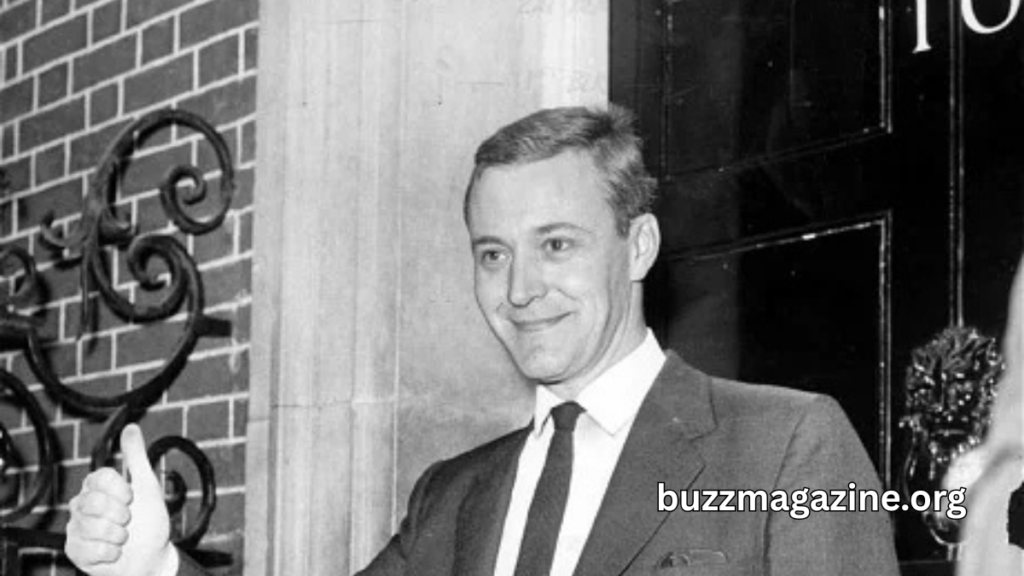
Many legal experts later questioned the fairness of the proceedings against Stephen Ward. Critics argue that he was placed under enormous pressure due to political circumstances and media influence. His trial is often cited as an example of how public opinion can overshadow legal fairness, with Ward portrayed as a convenient scapegoat during a time of national embarrassment for the government.
What Happened to Stephen Ward?
Following the conclusion of his trial, Stephen Ward’s life came to a tragic end. Before the final verdict was fully resolved, he took an overdose of sleeping tablets in August 1963. He died shortly after, leaving behind unanswered questions and deep public controversy. His death intensified debate about whether he had been treated justly by the courts and the press.
The aftermath of Stephen Ward’s death led to long-term reassessment of his role in the Profumo Affair. Over time, some historians and commentators have argued that he was unfairly blamed for events beyond his control. The question what happened to Stephen Ward continues to generate interest, especially among those studying British political history and legal ethics.
Stephen Ward’s Personal Life
Stephen Ward married Patricia Mary Baines in 1949, but the relationship eventually ended in separation. His private life has often been the subject of speculation, particularly regarding claims such as was Stephen Ward gay. While rumours circulated during and after his lifetime, there is no definitive evidence confirming many of these assertions, and historians remain divided on how to interpret his personal relationships.
Ward’s social life was complex and deeply connected to his professional world. He moved within elite circles where personal and public boundaries often overlapped. This environment contributed to ongoing curiosity about Stephen Ward wife, his friendships, and the nature of his private associations. Despite this attention, much of his personal life remains open to interpretation rather than certainty.
Stephen Ward in Popular Culture
Stephen Ward has remained a compelling figure in books, television, and theatre. His story was notably adapted into the Andrew Lloyd Webber Stephen Ward musical, which explored the events of the Profumo Affair through a dramatic and human perspective. These portrayals helped introduce his story to new audiences who may not be familiar with the historical background.
Television productions such as Stephen Ward The Crown have also contributed to renewed interest in his life. While dramatizations often take creative liberties, they highlight the enduring fascination with his role in one of Britain’s most notorious scandals. His presence in popular culture ensures that discussions about his life continue well beyond academic circles.
Stephen Ward’s Legacy
Stephen Ward’s legacy remains complex and widely debated. To some, he was a talented osteopath and artist who became unfairly entangled in political events beyond his control. To others, he remains a controversial figure whose social connections placed him at the centre of a national scandal. This dual interpretation continues to shape how he is remembered today.
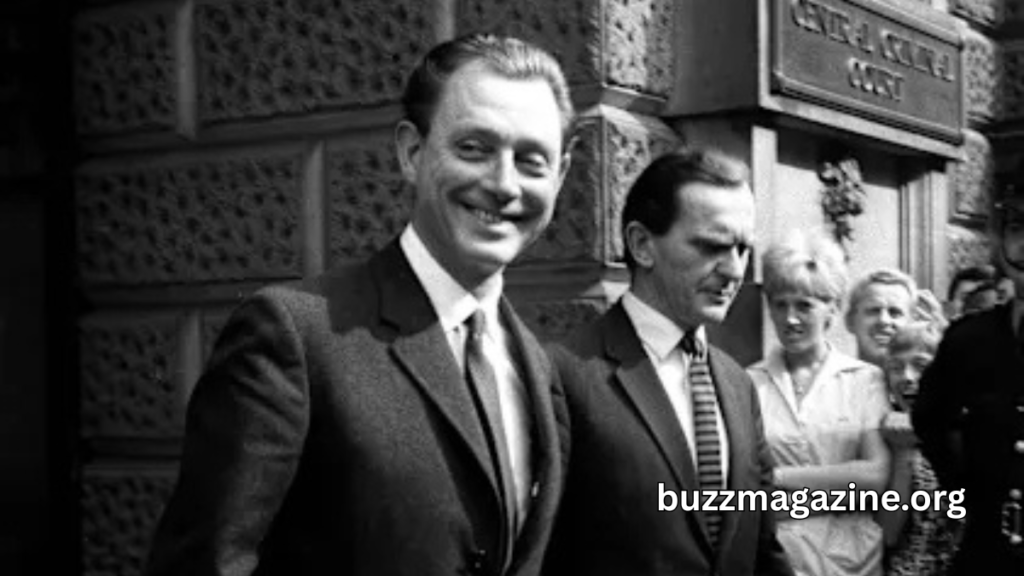
Interest in Stephen Ward persists because his story raises broader questions about justice, media influence, and political accountability. Whether viewed through historical analysis or cultural retellings, his life continues to resonate. The Profumo Affair ensured that Stephen Ward would remain a permanent figure in discussions about British political history and public morality.
Conclusion
Stephen Ward’s life reflects a dramatic rise and fall shaped by talent, ambition, and circumstance. From respected osteopath and artist to central figure in a political scandal, his story continues to provoke debate and analysis. More than half a century later, the questions surrounding his trial and reputation still invite reflection on fairness, media power, and historical truth.
Stephen Ward remains one of the most controversial and misunderstood figures in modern British history. His journey from respected osteopath and talented artist to central figure in the Profumo Affair shows how quickly reputation can be reshaped by politics and media attention. Although his life ended tragically in 1963, debate around his role, fairness of his trial, and personal legacy continues to this day. Whether seen as a scapegoat or a complex social connector, Stephen Ward’s story still raises important questions about justice and public perception.
FAQs
Who was Stephen Ward?
Stephen Ward was an English osteopath and artist who became central to the Profumo Affair scandal in 1963.
What was Stephen Ward known for?
He was known for his osteopathy practice, artistic portraits, and social connections with British elites.
What happened to Stephen Ward?
Stephen Ward died in 1963 after taking an overdose during the aftermath of his controversial trial.
Was Stephen Ward involved with Christine Keeler?
Yes, he introduced Christine Keeler to influential political and social figures during the Profumo Affair.
Was Stephen Ward convicted in court?
Yes, he was convicted on charges linked to living off immoral earnings, though the trial remains controversial.
Why is Stephen Ward still discussed today?
He is still discussed because of ongoing debates about justice, media influence, and the Profumo Affair.
Also Read: perry digweed